Chicken Breast Nutrition: Calories, Protein and Macros for Every Cut
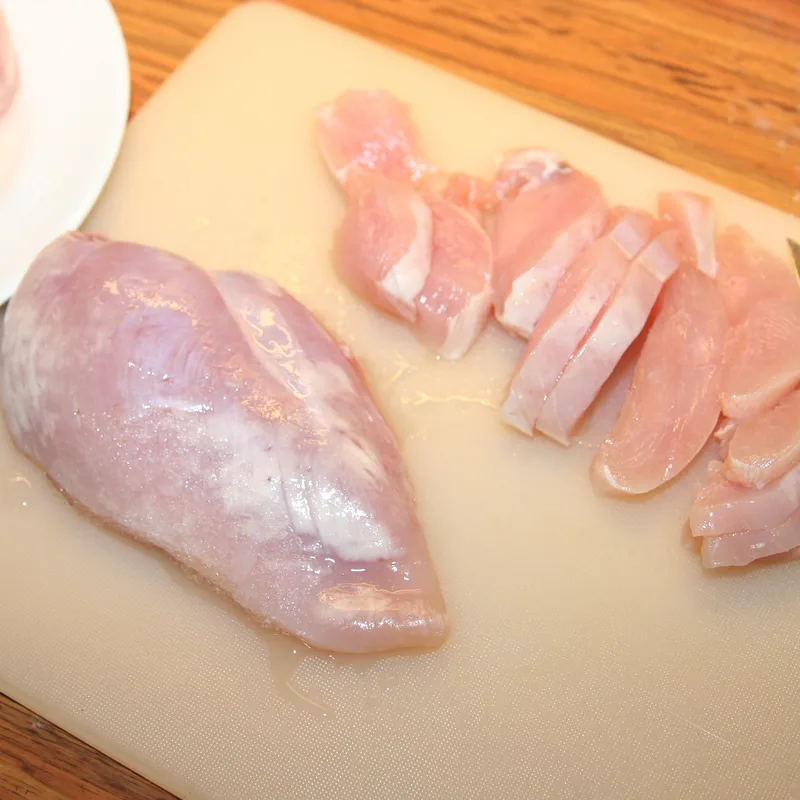
Chicken breast is the most tracked protein food in the world, and also one of the most mis-logged. The calorie number changes by more than 60% depending on whether you weigh it raw or cooked, keep the skin on, or fry it. This guide gives you the USDA figures for every common form, plus the practical rules for logging it accurately.
Free tool: 2-minute metabolic assessment — get your personal calorie, protein and meal targets in 2 minutes.
Medical Disclaimer: This article is for informational purposes only and does not constitute medical advice. Consult a registered dietitian or healthcare provider for personalized dietary guidance.
Key Takeaways
- 100 g cooked, boneless skinless chicken breast: 165 kcal, 31 g protein, 3.6 g fat.
- Raw breast is 120 kcal per 100 g — the difference is water loss, not added calories.
- Skin-on roasted breast rises to roughly 197 kcal and 7.8 g fat per 100 g.
- Breast has ~5 g more protein and ~7 g less fat per 100 g than thigh, but less iron and zinc.
- Weigh after cooking whenever possible, and match the raw/cooked state to your app's entry.
Boneless Skinless Chicken Breast (Cooked)
Per 100 g cooked, roasted, meat only:
| Nutrient | Amount | % Daily Value |
|---|---|---|
| Calories | 165 kcal | 8% |
| Protein | 31.0 g | 62% |
| Total Fat | 3.6 g | 5% |
| Saturated Fat | 1.0 g | 5% |
| Carbohydrate | 0 g | 0% |
| Cholesterol | 85 mg | 28% |
| Sodium | 74 mg | 3% |
| Potassium | 256 mg | 5% |
| Selenium | 27.6 µg | 50% |
| Niacin (B3) | 13.7 mg | 86% |
| Vitamin B6 | 0.6 mg | 35% |
| Phosphorus | 228 mg | 18% |
Source: USDA FoodData Central, SR Legacy — Chicken, breast, meat only, cooked, roasted (FDC ID 171477).
A typical supermarket breast half weighs 170–200 g raw, which cooks down to roughly 125–150 g — about 205–250 kcal and 39–46 g protein.
Raw vs Cooked: The Single Biggest Tracking Error
| Metric (per 100 g) | Raw | Cooked (roasted) |
|---|---|---|
| Calories | 120 kcal | 165 kcal |
| Protein | 22.5 g | 31.0 g |
| Total Fat | 2.6 g | 3.6 g |
| Water | 74.0 g | 65.0 g |
Chicken breast loses about 25% of its weight during cooking, almost entirely water. Nothing is added — the same piece of meat simply becomes denser, so every gram carries more protein and more calories.
The rule: pick one state and stay consistent. Logging 200 g of raw-weight chicken against a cooked database entry overstates your intake by roughly 90 calories per serving; doing the reverse hides them.
Skin-On vs Skinless
| Per 100 g cooked | Skinless | Skin-on |
|---|---|---|
| Calories | 165 kcal | 197 kcal |
| Protein | 31.0 g | 29.8 g |
| Total Fat | 3.6 g | 7.8 g |
| Saturated Fat | 1.0 g | 2.2 g |
Skin adds about 30–40 kcal per 100 g, all of it fat. That is a meaningful difference if you eat chicken daily, and irrelevant if you eat it twice a week — decide based on frequency, not on the idea that skin is inherently unhealthy.
Chicken Breast vs Chicken Thigh
Per 100 g cooked, boneless skinless:
| Nutrient | Breast | Thigh | Difference |
|---|---|---|---|
| Calories | 165 kcal | 209 kcal | −44 kcal |
| Protein | 31.0 g | 26.0 g | +5.0 g |
| Total Fat | 3.6 g | 10.9 g | −7.3 g |
| Saturated Fat | 1.0 g | 3.0 g | −2.0 g |
| Iron | 1.0 mg | 1.3 mg | −0.3 mg |
| Zinc | 1.0 mg | 3.2 mg | −2.2 mg |
| Vitamin B12 | 0.3 µg | 0.6 µg | −0.3 µg |
Breast wins on protein density and calorie efficiency. Thigh wins on iron, zinc, B12, and moisture retention in meal prep. For a full breakdown of the darker cut, see our chicken thigh nutrition guide, or are chicken thighs healthy? for the fat and preparation question specifically.
How Cooking Method Changes the Numbers
| Method | Calories per 100 g | Fat | Notes |
|---|---|---|---|
| Poached / boiled | 160 | 3.2 g | Lowest-fat option, mild flavour |
| Roasted, no oil | 165 | 3.6 g | The USDA reference value |
| Grilled | 168 | 3.8 g | Essentially identical to roasted |
| Pan-fried, 1 tsp oil | 200 | 8.1 g | Oil adds ~40 kcal per teaspoon absorbed |
| Breaded and fried | 280+ | 14+ g | Breading plus absorbed oil |
| Rotisserie (skin removed) | 175 | 4.5 g | Brine adds sodium: often 300+ mg per 100 g |
Marinades matter more than people expect: an oil-based marinade can add 50–90 kcal per serving even after most of it drips off.
Protein Per Portion: Quick Reference
| Cooked portion | Calories | Protein |
|---|---|---|
| 85 g (3 oz) | 140 kcal | 26 g |
| 100 g | 165 kcal | 31 g |
| 150 g | 248 kcal | 47 g |
| 200 g | 330 kcal | 62 g |
| 250 g | 413 kcal | 78 g |
Most adults do best spreading protein across the day rather than concentrating it in one meal — our guide on how much protein per day covers the per-meal targets in detail.
Micronutrients Worth Knowing About
- Selenium (50% DV per 100 g): an antioxidant cofactor that supports thyroid hormone conversion.
- Niacin (86% DV): central to energy metabolism; chicken breast is one of the densest common sources.
- Vitamin B6 (35% DV): required for amino acid metabolism, which matters more on a high-protein diet.
- Low in iron and zinc: if chicken breast is your main red-meat replacement, pay attention to iron intake from other sources. See our iron deficiency diet guide.
Is Chicken Breast Good for Weight Loss?
It is efficient rather than magical. At roughly 19 g of protein per 100 kcal, chicken breast has one of the highest protein-to-calorie ratios of any whole food, and protein has the strongest satiety effect of the three macronutrients. Preserving lean mass in a calorie deficit depends on total daily protein, not on any single food — the breast simply makes hitting that total easier.
Where it goes wrong is preparation. A 165 kcal breast becomes a 400 kcal dish with two tablespoons of oil and a creamy sauce. Track what goes in the pan, not just what came out of the package.
Frequently Asked Questions
How many calories are in one chicken breast?
An average supermarket breast half (170–200 g raw, 125–150 g cooked) contains roughly 205–250 calories and 39–46 g of protein, boneless and skinless.
How much protein is in 200 g of cooked chicken breast?
About 62 g of protein, based on the USDA figure of 31 g per 100 g cooked.
Should I weigh chicken breast raw or cooked?
Either works as long as your food entry matches. Cooked weight is generally more accurate because it reflects what you actually eat, and raw weight varies with how much liquid the packaging retains.
Is chicken breast healthier than chicken thigh?
Not universally. Breast is leaner and higher in protein per calorie; thigh carries roughly three times the zinc and more iron and B12. Both are excellent protein sources, and the cooking method affects the final numbers more than the cut does.
Does grilling chicken breast reduce its protein?
No. Grilling concentrates protein per gram by driving off water. Total protein in the piece stays essentially unchanged.
How much chicken breast per day is reasonable?
There is no fixed limit. Most people building a high-protein diet eat 100–250 g of cooked poultry per day within a varied intake that also includes fish, legumes, eggs, and dairy for a broader micronutrient profile.
Compare with other high-protein staples
- Chicken thigh nutrition — 26 g protein, 209 kcal per 100 g cooked
- Salmon nutrition — 25 g protein plus omega-3s
- Greek yogurt nutrition — the easiest protein to add at breakfast
- How to count calories — raw vs cooked logging rules
Sources
- USDA FoodData Central, SR Legacy: Chicken, breast, meat only, cooked, roasted (FDC ID 171477).
- USDA FoodData Central, SR Legacy: Chicken, breast, meat and skin, cooked, roasted (FDC ID 171476).
- Pesta DH, Samuel VT. A high-protein diet for reducing body fat. Nutrition & Metabolism. 2014;11:53. https://pubmed.ncbi.nlm.nih.gov/25489333/
- Leidy HJ et al. The role of protein in weight loss and maintenance. Am J Clin Nutr. 2015;101(6):1320S-1329S. https://pubmed.ncbi.nlm.nih.gov/25926512/
Reviewed and maintained by the Nutrition.io Editorial Team. See our editorial policy for how we research, source, and update this guide.
Download Nutrition.io on the App Store and scan any food for instant nutrition data — cooked or raw, skin-on or skinless, the AI adjusts the macros for you.
Free printable: Food Safety & Timing Guide (PDF) — thyroid and gut food evidence, the levothyroxine and supplement timing chart, a shopping checklist and a one-week symptom log.